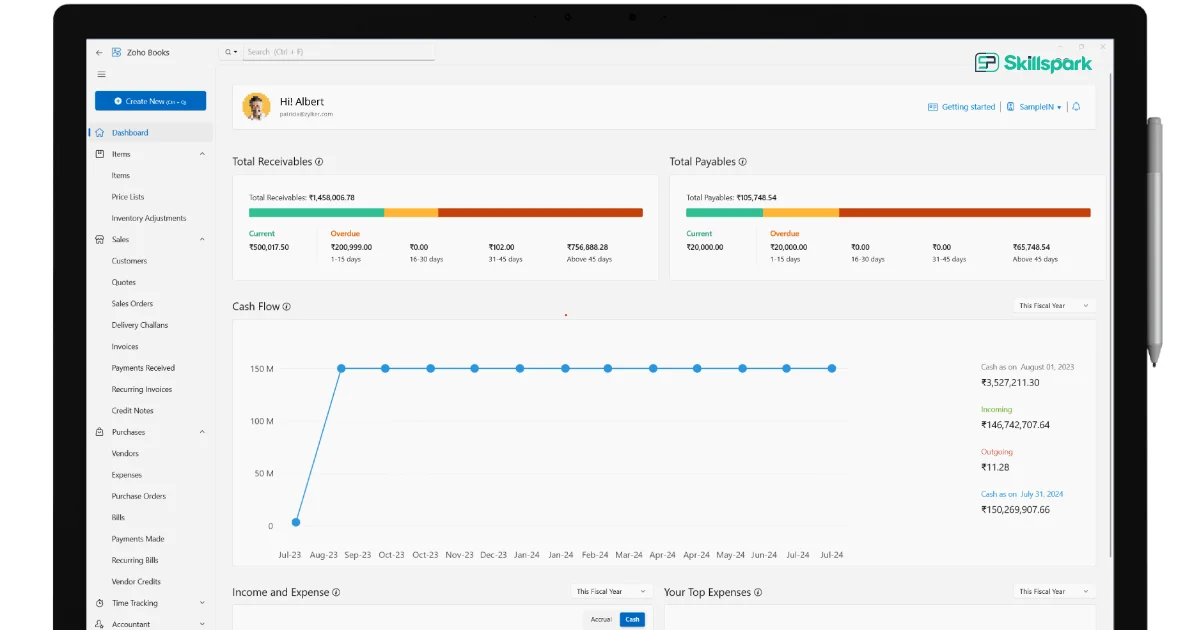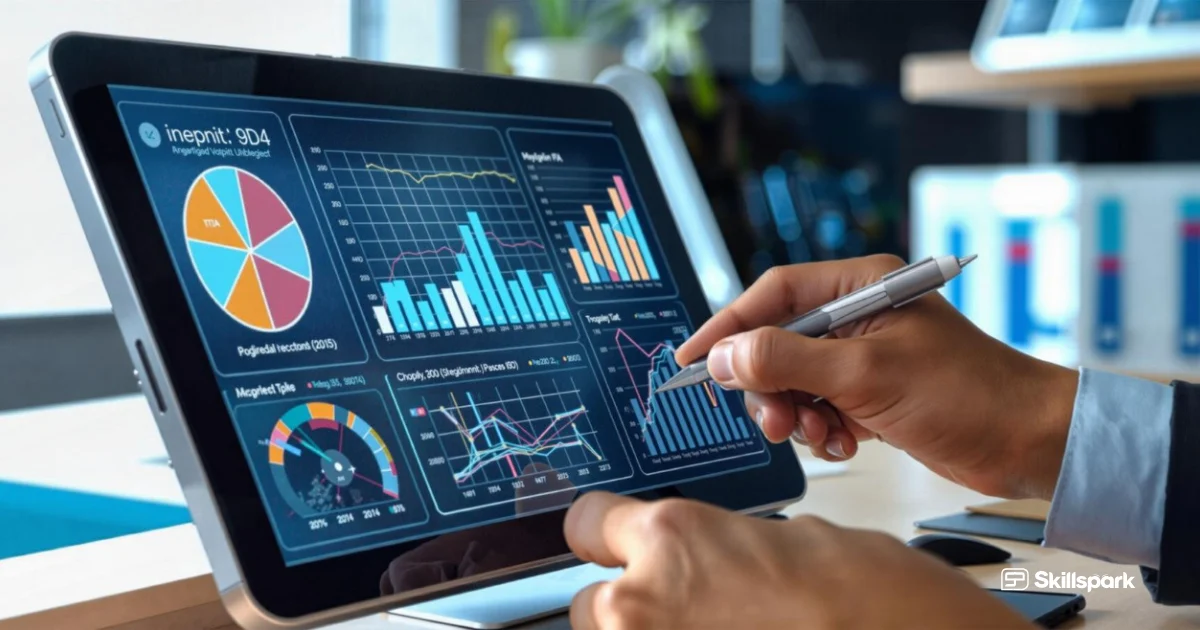
In 2026, the typical image of an accountant hunched over ledgers and spreadsheets is rapidly fading into history. Instead, picture a strategic advisor seated before a dynamic dashboard, where real-time AI-driven insights reveal cash-flow forecasts, fraud patterns, and growth opportunities before executives even ask. This isn’t science fiction — it’s the new reality of accounting analytics.
Routine bookkeeping, once the backbone of the profession, is now largely automated. Artificial intelligence handles data entry, reconciliations, and basic compliance checks with unprecedented speed and accuracy. The accountants who thrive will be those who master analytics — transforming raw numbers into actionable business intelligence. As someone who has spent over a decade writing about fintech evolution and professional services, I’ve watched this shift accelerate dramatically. The message is clear: future accountants must think beyond bookkeeping, or risk being left behind.
What Exactly Is Accounting Analytics?
Accounting analytics goes far beyond traditional financial reporting. It involves collecting, processing, and interpreting vast financial datasets using advanced tools like artificial intelligence (AI), machine learning (ML), data visualization platforms, and predictive modeling. Where classic bookkeeping records what happened, analytics answers “why it happened,” “what will happen next,” and “what should we do about it?”
Key components include:
- Descriptive analytics: Summarizing historical performance (e.g., monthly profit trends).
- Diagnostic analytics: Identifying root causes (e.g., why expenses spiked last quarter).
- Predictive analytics: Forecasting future outcomes (e.g., cash flow for the next 90 days).
- Prescriptive analytics: Recommending actions (e.g., “Optimize inventory to free up $250K in working capital”).
Tools powering this shift — Power BI, Tableau, Python scripts, SQL queries, and embedded AI in platforms like QuickBooks or Xero — turn accountants into data storytellers. The result? Finance teams deliver insights in hours, not weeks.
The Forces Driving the Rise of Accounting Analytics
Several converging trends have propelled accounting analytics from “nice-to-have” to essential.
- Explosive Growth of AI and Automation By 2026, AI has become a daily tool for most finance professionals. Small businesses report 68% adoption rates, with generative AI handling everything from document extraction to anomaly detection. The global AI-in-accounting market is projected to expand at a staggering 42.9% CAGR through 2029, adding $16 billion in value as firms automate repetitive tasks.
- Demand for Real-Time Visibility Executives no longer tolerate month-end delays. They expect instant dashboards showing cash position, receivables aging, and scenario modeling. Unified platforms eliminate reconciliation drudgery, freeing accountants for interpretation and advisory work.
- Talent Shortages and Demographic Pressures The profession faces a crisis: 75% of accountants could retire in the next 15 years, and new CPA candidates have dropped 27%. Firms are hiring data-savvy talent from non-traditional backgrounds and investing heavily in upskilling. Smaller teams must deliver greater strategic impact — analytics makes this possible.
- Regulatory and ESG Complexity ESG reporting, real-time tax mandates, and cross-border compliance generate mountains of data. Analytics tools turn this complexity into competitive advantage, helping firms advise clients on sustainability-linked financing or risk mitigation.
- Market Expansion The broader accounting services market is growing steadily (projected CAGR around 5-8% through 2032), but the analytics subset — embedded in accounting software — is exploding. Cloud-based solutions with built-in AI now dominate, enabling even mid-sized firms to compete with Big 4 capabilities.
Tangible Benefits: From Efficiency to Strategic Leadership
The payoff is measurable and transformative.
- Dramatic Time Savings and Error Reduction: One midsized firm automated invoice processing and cut handling time by 75%, reduced data-entry errors by 90%, and freed 30% of staff time for client advisory work. Capacity increased 150%, with ROI achieved in just nine months.
- Proactive Fraud Detection and Risk Management: AI platforms monitoring transactions in real time caught multiple fraud attempts in the first month for a regional practice. Audit efficiency improved 35%, insurance premiums dropped, and client trust soared.
- Superior Forecasting and Decision Support: A growing firm replaced manual spreadsheets with AI predictive models, slashing forecasting time by 80% while boosting accuracy. Clients received proactive scenario planning, leading to higher revenue per client and stronger advisory relationships.
- Real-Time Visibility and Organizational Influence: Finance teams now sit at the strategy table, flagging issues before they become crises and collaborating across departments on data migrations or process improvements.
Automation doesn’t eliminate jobs — it elevates them. Accountants evolve from record-keepers to trusted advisors who drive profitability, mitigate risks, and shape business strategy.
Essential Skills Future Accountants Must Master
Traditional accounting knowledge remains foundational, but analytics skills are now non-negotiable. Top competencies for 2026 include:
- Data Interpretation and Insight Generation: Linking financial metrics to business drivers, spotting inefficiencies, and translating numbers into executive-friendly narratives.
- Advanced Excel + Power Query/Pivot Tables: The starting point for most professionals.
- Data Visualization and Storytelling: Creating compelling dashboards in Power BI or Tableau that influence decisions.
- SQL for Database Querying: Essential for handling large datasets and collaborating with IT.
- Python for Automation and Predictive Modeling: Scripting repetitive tasks and building statistical forecasts.
- Forecasting, Risk Analytics, and Audit Analytics: Scenario planning, anomaly detection, and fraud modeling.
- Business Acumen and Communication: Understanding industry context and presenting insights persuasively.
Soft skills like critical thinking, adaptability, and AI prompting (knowing exactly how to ask ChatGPT or custom agents the right questions) round out the profile.
Certifications in data analytics for accountants, online platforms like Coursera or LinkedIn Learning, and hands-on practice with real financial datasets are the fastest paths forward. Many firms now offer internal mentoring and simulation tools to bridge the gap.
Challenges on the Road to Analytics Mastery (and How to Overcome Them)
No transformation is without hurdles. Common obstacles include:
- Data Privacy and Security: Handling sensitive client information demands robust encryption, access controls, and compliance with GDPR, CCPA, and industry standards.
- Integration Costs and Complexity: Legacy systems resist seamless AI embedding; phased rollouts and ROI calculations help justify investments.
- Staff Training Gaps: Only about 25% of firms currently provide structured GenAI training. Solution? Targeted workshops, online courses, and pairing veterans with tech-savvy juniors.
- Regulatory and Client Trust Issues: Ensuring AI outputs meet GAAP/IFRS standards while maintaining human oversight and transparent communication with clients.
Successful firms start small — pilot one use case (like AP automation or cash-flow forecasting), measure results, then scale. They treat analytics as a complement to human judgment, not a replacement.
The Road Ahead: Opportunities for Those Who Adapt
By 2027 and beyond, accountants proficient in analytics will command premium roles: Financial Planning & Analysis (FP&A) leaders, advisory consultants, risk strategists, and even C-suite influencers. Demand for “tech-enabled problem solvers” is surging, while pure bookkeepers face automation displacement.
The profession isn’t shrinking — it’s upgrading. Firms that embrace analytics report faster growth, higher client retention, and stronger talent attraction through hybrid work models and meaningful work.
Conclusion: Your Invitation to Lead the Change
The rise of accounting analytics isn’t a distant trend — it’s here in 2026. Bookkeeping remains necessary, but it’s no longer sufficient. The accountants who will define the next decade are those who harness data, wield AI confidently, and deliver strategic insights that move businesses forward.
Start today: Audit your current tools, enroll in one analytics course, experiment with Power BI on your firm’s data, and begin reframing client conversations around predictive value rather than historical compliance. The investment in new skills will pay dividends in career growth, job security, and professional fulfillment.
The future belongs to accountants who think beyond the books — and into the analytics that power tomorrow’s decisions. Are you ready to lead that future?